

A New Era of Workplace Wellness
I remember a time when the conversation around mental health in the workplace was hushed and reactive, often only addressed in times of crisis.
Thankfully, those days are fading.
Today, forward-thinking organisations understand that true well-being isn’t just about putting out fires; it’s about proactively nurturing a culture where employees feel supported and empowered to prioritise their mental health.
Employee Assistance Programs (EAPs) stand as a testament to this shift, offering a safety net of support, fostering a culture of openness, and empowering individuals to thrive both personally and professionally.
What is an EAP?
An EAP is a confidential and voluntary workplace program that provides employees with access to a variety of support services, including counselling, therapy, and resources for managing personal and work-related challenges.
Think of it as a safety net, there to catch you when you’re feeling overwhelmed or struggling to cope.
EAPs have evolved significantly over the years, from their early focus on addressing substance abuse to their current role in promoting holistic well-being.
To understand this evolution better, let’s take a look at this brief video:
Today, they are recognized as vital for supporting employee mental health, improving productivity, and fostering a positive workplace culture.
The Cost of Neglecting Mental Health
In Australia, the economic burden of mental ill-health is substantial. The Productivity Commission’s 2020 Mental Health Inquiry Report estimated the total cost to the Australian economy to be between $200 and $220 billion annually. A significant portion of this, ranging from $43 billion to $70 billion, is directly attributed to workplace impacts such as absenteeism, presenteeism, and compensation claims.
Professor Ian Hickie, a leading authority on mental health, underscores the urgency of the issue, stating, “Increased funding for expanded mental health services is crucial, but unless we overhaul the system and have the courage to defund ineffective programs, we will be throwing good money after bad.”
Beyond these financial figures, there’s the profound human cost. Employees facing mental health challenges often experience decreased productivity, increased absenteeism, and difficulty concentrating.
These individual struggles can ripple throughout the organisation, affecting morale, teamwork, and overall performance.
How Mental Health Shows Up at Work

Mental health challenges don’t always manifest in obvious ways. Both employees and managers must be aware of the subtle signs and symptoms that may indicate someone is struggling.
Changes in behavior or mood: Withdrawal, irritability, decreased motivation, or increased absenteeism can all be red flags.
Difficulty concentrating or making decisions: Mental health challenges can impact cognitive function, making it harder to focus and complete tasks effectively.
Physical symptoms: Stress and anxiety can manifest physically, leading to headaches, stomach problems, or fatigue.
Remember, these are just a few potential signs. If you’re concerned about a colleague’s mental health, don’t hesitate to reach out and offer support. Sometimes, simply knowing that someone cares can have a profound impact.
EAPs and the Law in Australia
In Australia, the Work Health and Safety (WHS) Act 2011 places a clear responsibility on employers to ensure the health and safety of their workers, including their mental health. While EAPs are not mandatory under the WHS Act, they are considered a valuable tool for meeting these obligations.
Employers are also required to consult with their employees and Health and Safety Representatives (HSRs) on matters that may affect their psychological well-being.
Types of EAPs
EAPs come in various forms, and choosing the right model for your organisation is crucial.
Internal vs. External: Internal EAPs are managed and staffed within the organisation, while external EAPs are provided by third-party providers.
In-House vs. Outsourced: In-house EAPs are run entirely by the organization, while outsourced EAPs involve partnering with an external provider to deliver services.
Feature | Internal EAP (In-House) | External EAP (Outsourced) |
Cost | Potentially lower upfront costs, especially for smaller organisations | Higher upfront costs, but can be more cost-effective for larger organisations or those with complex needs. |
Control & Customization | Greater control over program design, implementation, and data | Less control over program design, but may offer more flexibility and expertise. |
Confidentiality | May raise concerns about privacy, especially in smaller organisations. | Stronger perception of confidentiality as services are provided by an independent third party. |
Expertise & Resources | May have limited in-house expertise and resources. | Access to a wider range of specialised services and expertise |
Accessibility | May be limited by internal resources and availability. | Typically offers 24/7 support and multiple access channels (phone, online, in-person) |
Responsiveness | Can be more responsive to specific organisational needs and culture | May take longer to adapt to unique organisational needs. |
Employee Perception | May be perceived as less confidential or stigmatised. | Generally perceived as more confidential and objective |
Each model has its pros and cons. Internal EAPs may offer greater control and customisation, but external providers often bring specialised expertise and a wider range of services.
Confidentiality and Addressing Stigma
Confidentiality is a cornerstone of any successful EAP. Employees need to feel safe and secure in accessing services without fear of judgment or repercussions.
Stigma surrounding mental health remains a significant barrier to seeking help.
Organisations can play a vital role in reducing stigma by creating a culture of openness and support.
The Benefits of EAPs
EAPs offer a multitude of benefits for both employees and employers.

For Employees:
Confidential Support:
A safe space for professional counselling and support services empowers employees to address challenges without fear of judgment. This leads to improved mental and emotional well-being. Research has shown that EAP utilisation is associated with:
Reduced symptoms of depression and anxiety: A study published in the Journal of Occupational and Environmental Medicine found that EAP participants had significantly lower rates of depression and anxiety compared to non-participants.
Decreased stress levels: Studies have shown that employees who utilise EAP services often report a significant reduction in stress levels.
Improved overall life satisfaction: Employees who utilise EAP services often report greater satisfaction with their work-life balance and overall quality of life. A systematic review by Long and Cooke (2021) confirms that EAPs can enhance employee well-being by increasing life satisfaction.
Enhanced Work-Life Balance
EAPs often provide resources and guidance on managing work-life conflicts, fostering a healthier and more sustainable lifestyle. Research indicates that employees who use EAPs for work-life balance issues report significant improvements in their ability to manage these challenges.
Increased Productivity and Profitability
A healthier and happier workforce is a more productive workforce, contributing to improved organizational performance and profitability. Studies have shown a positive correlation between EAP utilisation and increased productivity, as well as a reduction in healthcare costs and workers’ compensation claims.
For Employers:
Reduced Absenteeism and Presenteeism
EAPs provide a proactive solution for reducing the costly impact of absenteeism and presenteeism. A study by Nunes et al. (2018) demonstrated that EAP users experienced a significant decrease in sick leave usage, resulting in an estimated 4.8% to 6.5% fewer hours lost per month due to illness. This translates to a more present and available workforce, directly benefiting productivity and operational efficiency.
Furthermore, while presenteeism (being at work but not fully functioning) can be more challenging to quantify, EAPs indirectly combat this issue. By addressing underlying mental health concerns, such as stress, anxiety, and burnout, EAPs empower employees to manage their symptoms and improve their overall well-being.
This can lead to increased focus, engagement, and productivity, ultimately enhancing organizational performance.
The research by Wu et al. (2021) reinforces this notion, highlighting the importance of comprehensive workplace mental health initiatives, including EAPs, in promoting a healthy and productive work environment.
Improved Morale and Engagement
A supportive workplace culture that values employee well-being fosters a sense of belonging and loyalty. This translates to higher employee morale and engagement, leading to increased discretionary effort and a more positive work environment. Research has shown that organisations with EAPs experience higher levels of employee engagement and satisfaction.
Increased Productivity and Profitability
EAPs directly contribute to a healthier, happier, and more productive workforce. Studies show a clear link between EAP utilisation and increased productivity, along with reductions in healthcare costs and workers’ compensation claims. This translates to a positive ROI and improved organisational performance, making EAPs a strategic investment for businesses.
Enhanced Reputation and Talent Attraction
In today’s talent market, prioritising employee well-being gives organisations a competitive edge. EAPs showcase a company’s commitment to mental health, enhancing its reputation and attractiveness to candidates. Forbes highlights that effective wellness programs, including EAPs, contribute to being an employer of choice. Research shows that employee benefits like EAPs influence job seekers’ decisions. Ultimately, a holistic approach to well-being is essential for attracting and retaining top talent.
EAPs do serve as a tangible demonstration of a company’s commitment to its employees’ mental and emotional health. This can enhance the organisation’s reputation as a caring and supportive employer.
Reduced Healthcare Costs
By addressing mental health issues early on, EAPs can contribute to the prevention of more serious and costly health problems. This proactive approach can lead to potential savings on healthcare expenses for both employees and employers. Research suggests that EAPs can play a role in reducing healthcare utilisation and associated costs..
The Return on Investment (ROI) of EAPs

While the exact return on investment (ROI) can vary depending on the specific EAP, industry, and organisation, numerous studies have demonstrated the potential for significant cost savings and financial benefits associated with these programs.
Case Studies and Testimonials
EAPs can make a difference in people’s lives. Let me tell you about two employees who got help.
Meet Louise. She was feeling overwhelmed and disempowered at work due to her boss’s habit of micro-managing her. The constant scrutiny left her frustrated and ready to quit. Through her company’s EAP, Louise learned practical tools to handle her boss’s behaviour more constructively. With newfound confidence, she was able to set boundaries and change the dynamic, reducing the negative impact her boss had on her day-to-day work. Louise regained control of her career and found renewed satisfaction in her role.
Then there’s Liam. He was struggling with personal issues—his marriage was going through a difficult time, and he was experiencing mild depression. Feeling stuck, he reached out to his EAP and had a few sessions with a counsellor. They provided him with strategies to approach his partner about attending marriage counselling together and helped him learn how to communicate his needs effectively. With this support, Liam began to take steps toward improving both his personal life and mental wellbeing.
Louise and Liam are just two examples of how EAP services can make a difference. These programs provide crucial support during challenging times, helping employees develop resilience, overcome obstacles, and thrive both personally and professionally. By empowering individuals, EAPs contribute to a healthier, more productive workplace for everyone.
Common Services Offered by EAPs: A Holistic Approach
EAPs typically offer a wide range of services to address various employee needs:
Counseling and Therapy

Individual, couples, and family counseling are available to address mental health concerns, relationship issues, and other personal challenges.
Work-Life Services

EAPs often provide resources and support for managing work-life balance, including financial counseling, legal assistance, and childcare or eldercare resources.
Other Services
Many EAPs offer additional services such as career development coaching, substance abuse support, and grief and loss counselling.
Technology Integration: Enhancing Accessibility
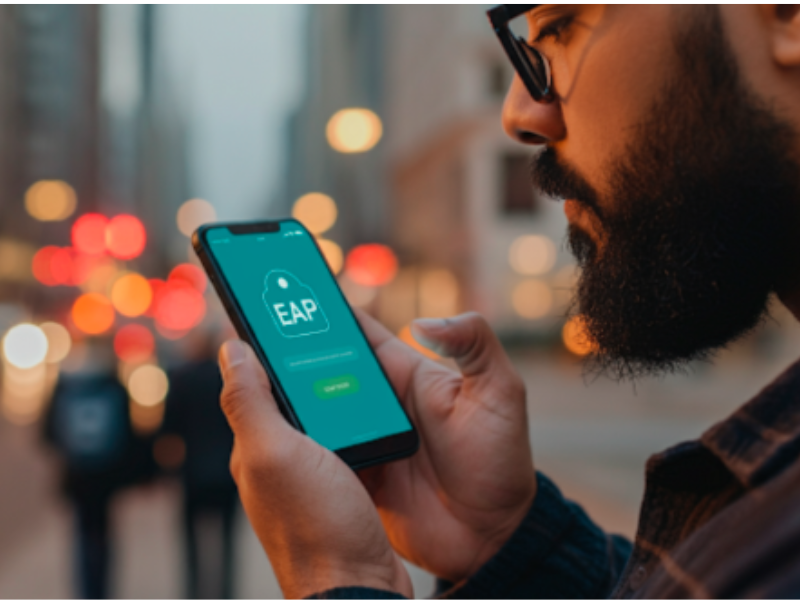
In today’s digital age, many EAPs incorporate technology to enhance accessibility and convenience. Online counseling platforms, mobile apps, and virtual workshops allow employees to access support anytime.
Manager Support and Training: Empowering Leaders
Managers play a crucial role in supporting employee mental health. EAPs often provide training and resources to help managers recognize signs of distress, have supportive conversations, and refer employees to the EAP when needed.
Implementing an EAP in Your Organization
Steps to Take
Conduct a needs assessment
Before implementing an EAP, it’s crucial to understand the specific needs of your employees and the types of challenges they may be facing.
You can conduct surveys, focus groups, or interviews to gather information about the mental health and well-being of your workforce.
This information will help you tailor your EAP to the specific needs of your employees and ensure that it’s effective in addressing their concerns.
Research and select an EAP provider
Once you have a good understanding of your employees’ needs, you can start researching EAP providers. There are many different providers available, so it’s important to choose one that is a good fit for your organisation.
Consider factors such as the provider’s experience, reputation, services offered, cost, and accessibility. It’s also important to make sure that the provider has a strong commitment to confidentiality.
Develop and communicate the EAP policy
Once you’ve selected an EAP provider, you’ll need to develop an EAP policy. This policy should outline the purpose of the EAP, the services that are offered, and how employees can access them.
The policy should also address confidentiality and make it clear that employees will not be penalised for using the EAP. Once the policy is developed, it’s important to communicate it to all employees.
Train managers and employees on the EAP
Managers and employees need to be trained on the EAP so that they understand how it works and how to access services.
Managers should also be trained on how to recognise the signs of mental health challenges in employees and how to refer them to the EAP.
Promote the EAP regularly
It’s important to promote the EAP regularly so that employees are aware of it and know how to access services. You can promote the EAP through a variety of channels, such as email, intranet, posters, and flyers. You can also hold informational sessions or workshops about the EAP.
Evaluate the effectiveness of the EAP
It’s important to evaluate the effectiveness of your EAP on a regular basis. You can do this by tracking utilisation rates, conducting employee satisfaction surveys, and measuring the impact of the EAP on absenteeism, presenteeism, and productivity.
While EAPs are a valuable tool for supporting employee mental health, they are most effective when implemented within a broader framework of workplace well-being initiatives.
Creating a psychologically safe environment, fostering open communication, and addressing underlying workplace stressors are all essential components of a truly healthy and productive workplace.
Factors to consider when choosing an EAP provider
- Cost: The cost of an EAP will vary depending on the provider and the services that are offered. It’s important to get quotes from several providers and compare their costs before making a decision.
- Services offered: Different EAP providers offer different services. It’s important to choose a provider that offers the services that your employees need.
- Accessibility: The EAP should be easily accessible to all employees. This means that the provider should offer a variety of ways to access services, such as phone, online chat, and in-person counselling.
- Confidentiality: It’s important to choose an EAP provider that has a strong commitment to confidentiality. Employees need to feel confident that their personal information will be kept private.
- Experience and reputation: Choose an EAP provider that has experience in providing services to organisations similar to yours. You should also check the provider’s reputation and make sure that they have a good track record.
Communication and Promotion Strategies
- Concrete examples of how to effectively promote the EAP:
Include information about the EAP in your employee handbook.
Send out regular emails or newsletters about the EAP.
Post flyers and posters about the EAP in high-traffic areas.
Hold informational sessions or workshops about the EAP.
Encourage managers to talk to their employees about the EAP.
Measuring the Success of Your EAP
To ensure your EAP is delivering results, it’s essential to monitor and evaluate its effectiveness.
Key Performance Indicators (KPIs): Track utilisation rates, employee satisfaction, absenteeism, turnover, and productivity to gauge the impact of your EAP.
Maximize Utilisation: Promote the EAP regularly, make it easy to access, train managers to recognise signs of mental health challenges, and create a culture of support and openness.
EAPs in Times of Crisis
During challenging times, such as natural disasters, workplace violence, or pandemics, EAPs can provide crucial support to employees.
Crisis Intervention: EAPs offer immediate access to crisis counseling and support services to help employees cope with traumatic events.
Resources and Information: EAPs can provide employees with information and resources to help them navigate difficult situations.
Stress Management and Coping Skills: EAPs can offer workshops and training to help employees develop resilience and cope with stress and anxiety.
Common Myths and Misconceptions about EAPs
Despite their proven benefits, EAPs are often surrounded by myths and misconceptions.
Common Myths about EAPs | Reality |
EAPs are only for people with serious mental health issues. | EAPs are available to all employees, regardless of the severity of their concerns. They offer support for a wide range of challenges, from work-related stress to relationship issues and financial concerns. |
EAPs are not confidential. | EAPs are strictly confidential. Information shared with EAP counselors is not disclosed to employers without the employee’s explicit consent, except in rare cases where there’s a risk of harm to oneself or others. |
EAPs are too expensive. | The cost of an EAP is often minimal compared to the potential costs of unaddressed mental health issues, such as decreased productivity, absenteeism, and turnover. Studies have shown a positive return on investment (ROI) for EAPs. |
EAPs are not effective. | Numerous studies have demonstrated the effectiveness of EAPs in improving employee well-being, reducing absenteeism, and increasing productivity. EAPs can also contribute to a positive workplace culture and improved employee engagement. |
EAPs are only for crisis intervention. | While EAPs can certainly provide crisis support, they also focus on prevention and early intervention. They offer resources and services to promote mental well-being and build resilience, helping employees proactively manage challenges before they escalate. |
Using an EAP will negatively impact my career. | EAPs are confidential, and utilising their services will not be reflected in your personnel file or affect your career prospects. In fact, seeking support through an EAP demonstrates self-awareness and a proactive approach to well-being. |
I can handle my problems on my own; I don’t need an EAP. | Everyone faces challenges at some point in their lives. EAPs provide professional and confidential support, offering a safe space to talk and develop coping strategies. It’s a sign of strength to seek help when needed. |
The Future of EAPs

As the workplace landscape continues to evolve, so too do EAPs.
Trends and developments in EAPs
As the workplace continues to evolve, so too do EAPs. We can expect to see a continued focus on prevention and early intervention, with a greater emphasis on promoting mental well-being and building resilience. Technology will play an increasingly important role in delivering EAP services, making them even more accessible and convenient for employees.
However, as recent research highlights, EAPs cannot operate in isolation. The effectiveness of these programs is deeply intertwined with the overall workplace environment. A study by Bouzikos et al. (2022) found that the positive impact of EAPs on reducing psychological distress was significantly enhanced in workplaces with a high Psychosocial Safety Climate (PSC).
This suggests that the future of EAPs lies not just in providing individual support services but in actively contributing to the creation of a psychologically safe and supportive workplace culture.
Focus on Organisational Change: EAP providers can play a crucial role in assisting organisations to improve their PSC (Psychosocial Safety Climate) through the implementation of policies, practices, and procedures that prioritise worker psychological health and safety.
Integration with Broader Well-being Initiatives: EAPs can become more integrated with other workplace wellness programs, fostering a holistic approach to employee health and well-being.
Focus on Prevention and Early Intervention: EAPs are increasingly shifting their focus from crisis intervention to prevention and early intervention. This involves promoting mental well-being and providing support before problems escalate.
Emphasis on Workplace Culture and Well-being: EAPs are increasingly recognising the importance of addressing the root causes of workplace stress and fostering a culture that supports employee well-being.
Data-Driven Insights: EAPs can leverage data and analytics to identify trends and patterns in employee mental health, enabling organisations to proactively address potential psychosocial hazards and create targeted interventions.
Technology-Enabled Solutions: The integration of technology will continue to evolve, offering innovative ways to deliver EAP services, such as virtual reality therapy, AI-powered chatbots, and personalised well-being platforms.
In essence, the future of EAPs envisions a shift from a reactive, individual-focused model to a proactive, organisation-wide approach that prioritises the creation of a mentally healthy workplace culture.
EAPs will not only provide support for individuals in need but also actively contribute to building a work environment where employees feel safe, valued, and empowered to thrive.
The Role of EAPs in Addressing Burnout and Promoting Wellness

In today’s demanding work environment, burnout is a growing concern. EAPs can play a vital role in addressing burnout by providing employees with tools and resources to manage stress, set boundaries, and prioritise self-care.
They can also help organisations create a more supportive and sustainable work environment that promotes overall well-being.
Empowering a Thriving Workforce
Employee Assistance Programs (EAPs) are more than just a nice extra. They’re a smart way to invest in your company’s most important asset – your people. EAPs give employees private access to counseling, helpful resources, and expert advice. This helps them deal with life’s tough moments, become stronger, and do their very best work.
The ripple effects of a robust EAP are profound. As we’ve seen, they contribute to:
People get more done.
Fewer people miss work.
Happier workers.
The Healthy Workspace is here to help you make mental health a cornerstone of your company culture.
We don’t just offer advice—we work alongside you to create real change. Imagine a workplace where every employee feels heard and supported. That’s what we aim for.
It’s not an overnight process, but with small steps, we can make a big difference. When you invest in your team’s mental health, you’re building a stronger, happier company.
Ready to start this journey?
Let’s talk about how we can tailor our approach to fit your unique workplace needs.
Supporting Resources
Richmond MK, Pampel FC, Wood RC, Nunes AP. Impact of Employee Assistance Services on Depression, Anxiety, and Risky Alcohol Use: A Quasi-Experimental Study. J Occup Environ Med. 2016 Jul;58(7):641-50. doi: 10.1097/JOM.0000000000000744. PMID: 27389792.
Productivity Commission. (2021, November 16). A brief overview of the mental health inquiry report [Speech]. Retrieved from https://www.pc.gov.au/media-speeches/speeches/mental-health
Nunes, A. P., Richmond, M. K., Pampel, F. C., & Wood, R. C. (2018). The effect of employee assistance services on reductions in employee absenteeism. Journal of Business and Psychology, 33(1), 43-53. https://doi.org/10.1007/s10869-017-9518-5
Wu, A., Roemer, E. C., Kent, K. B., Ballard, D. W., & Goetzel, R. Z. (2021). Organizational Best Practices Supporting Mental Health in the Workplace. Journal of Occupational and Environmental Medicine, 63(12), e925-e931. https://journals.lww.com/joem/fulltext/2021/12000/organizational_best_practices_supporting_mental.26.aspx
Hickie, I. (2017, March 27). Dysfunctional mental health system urgently needs much more than money. Sax Institute Public Health Research & Practice. Retrieved from